Institute of English Studies · University of Pécs
HUSSE 2027
18th Biennial HUSSE Conference
28th January – 30th January 2027 · Pécs, Hungary
Conference information
About HUSSE
Formed in 1993, the Hungarian Society for the Study of English (HUSSE) is the most significant scholarly society in Hungary devoted to the promotion and cultivation of English studies, in its versatile interdisciplinarity, ranging from literature through history to linguistics, from film studies through cultural studies to drama studies, and from British Studies through Irish, Canadian and Australian Studies to American Studies. The Society aims at disseminating the most recent developments in scholarship by providing a space for its members to present their research results at conferences and in publications, while it also forms a scholarly body of more than two hundred members, thus creating a supportive community both for its upcoming junior and established senior members to launch stimulating and invigorating dialogues in the best spirit of intellectual exchange which all parties can only profit from. HUSSE is a member association of the European Society for the Study of English (ESSE). HUSSE is generously supported by the Hungarian Academy of Sciences.
HUSSE 2027 CALL FOR PAPERS
HUSSE and the Institute of English Studies of the University of Pécs invite participants from Hungary and abroad to this international academic event. We encourage the submission of 250-word proposals for 20-minute presentations in all areas of English Studies. Abstracts for individual presentations and proposals for pre-arranged panels (preferably with 4 papers in a two-hour-long slot) are both welcome. In the latter case, panel members should include the title of their panel in addition to the title of their paper in the online registration form. Please note that the conference is to be an exclusively on-site event.
Language: The working language of the conference is English.
Special academic events: Plenary lectures, Országh Award, Book Awards, Book Presentations.
Social events include an opening reception and the conference dinner. Suggestions for leisure activities will be posted on the Practical Information page of the conference website.
Conference proceedings shall be published on multiple platforms.
SCHEDULE
- 30th September, 2026: submission of a 250-word abstract with keywords and a short bio of 80 words, or, in the case of pre-organised panels, submission of brief panel descriptions along with 250-word abstracts for panelists’ presentations and 80-word bios for each presenter
- 1st November 2026: notification of acceptance
- 15th December 2026: early bird registration closes
- 6th January 2027: registration closes
- 28th January – 30th January 2027: the 18th Biennial HUSSE Conference
REGISTRATION FEES
(if applicable) are payable to the account of HUSSE.
Bank account data
Magyar Anglisztikai Társaság
Bank: ERSTE BANK HUNGARY ZRT.
Bank account number: 11625009-07951800-25000001
Magyar Anglisztikai Társaság
Bank: ERSTE BANK HUNGARY ZRT.
Address: Népfürdő u. 24-26.
City: Budapest
Postcode: 1138
IBAN number: HU06116250090795180025000001
SWIFT/BIC number: GIBAHUHB
In all transactions, you are kindly requested to indicate your name and the purpose of the transfer, „HUSSE2027Conference,” in the “subject/comment/message” box.
Please indicate in the registration form if you require an invoice addressed to an institution.
Exact amount of registration fees:
HUSSE-members: 25.000 HUF (early bird, till 15th December: 21.000 HUF)
PhD-student, retired personnel: 20.000 HUF (early bird, till 15th December: 17.000)
Other: 30.000 HUF (early bird, till 15th December: 25.000 HUF)
Partial registration fee waiver
The HUSSE member is eligible for the partial fee waiver if they get
1. no institutional financial support to pay the membership fee;
AND
2. no institutional financial support to cover the HUSSE conference registration fee.
To apply for the partial fee waiver, the HUSSE member (whether a full fee-paying member, a PhD student or a retired colleague) must comply with both of the conditions above.
The maximum sum of the partial fee waiver amounts to the sum of the membership fee the HUSSE member is obliged to pay (full fee: HUF 8000; PhD fee: HUF 6000; retired fee: HUF 4000).
You will be able to apply for the partial fee waiver on the online registration site of the conference. You will be guided through a set of questions to make sure your eligibility and the sum of the fee waiver. Your membership – and the mode of fee payment (whether institutional or individual) – will be checked by the HUSSE administrator. The fee waiver will not be automatic even if an applicant meets both conditions above, as the financial sources for this support are not unlimited: HUSSE can provide HUF 200.000 for these purposes.
Plenaries (confirmed):
Sandrine Sorlin Implicit racism from a pragma-stylistic perspective
Professor of English Language and Linguistics at University Paul Valery - Montpellier 3
University of Montpellier Paul-Valéry
Institut Universitaire de France
Bio
Sandrine Sorlin is Professor of English language and linguistics at the University of Montpellier Paul-Valery in France and a senior member of the Institut Universitaire de France. She is the current chair of the French national association for the study of English (Société des Anglicistes de l’Enseignement Supérieur) counting 2,500 members. Specialized in stylistics and pragmatics, she is the co-editor of The Pragmatics of Personal Pronouns (John Benjamins, 2015) with Laure Gardelle and The Pragmatics of Irony and Banter (John Benjamins, 2018) with Manuel Jobert. She edited Stylistic Manipulation of the Reader in Contemporary Fiction (Bloomsbury) in 2020 and co-edited with Virginie Iché The Rhetoric of Literary Communication. From Classical English Novels to Contemporary Digital Fiction with Routledge (2022). In 2024, she co-edited The Pragmatics of Hypocrisy (John Benjamins) with Tuija Virtanen and Style and Sense(s) (Palgrave) with Linda Pillière. Her 2016 monograph on the American political TV series (Language and Manipulation in House of Cards: A Pragma-Stylistic Perspective, Palgrave) received an award from the European Society for the Study of English (ESSE). Her latest monograph entitled The Stylistics of‘You’. Second-Person Pronoun and its Pragmatic Effects was published in 2022 by Cambridge University Press. She is Assistant Editor of Language and Literature. International Journal of Stylistics (Sage). She is currently writing a Cambridge Element on Critical Politeness Theory and finishing a monograph on racism from a pragma-enactive approach.
Abstract
In this talk, I propose to explore the workings of implicit racism as represented by Black American and British writers, essayists and playwrights. Drawing on the analytical tools of stylistics and pragmatics, I will examine the ways in which Black writers have staged interracial interactions since the 1940s, investigating the stereotypical attunements, presuppositions and pragmatic assumptions through which Black individuals have been compelled to negotiate racial positioning. The pragmatic and stylistic analysis will be based on a diverse corpus of memoirs and fictional narratives, including works by Richard Wright, Claudia Rankine, Jesmyn Ward, Ta-Nehisi Coates, Percival Everett and debbie tucker green, among others. Their works deploy forceful stylistic configurations in their address to the reader, which the talk will also explore. In particular I will bring to the fore how authors, in the wake of the Black Lives Matter movement, variously reach out to, and sometimes confront, a (White) audience in their attempts to convey the experiential dimensions of racism.
Walid Saad Understand Me If You Can: Reasoning Foundations of Semantic Communication Networks
Rolls Royce Commonwealth Professor of Electrical and Computer Engineering at Virginia Polytechnic Institute and State University, Alexandria, VA
Abstract:
For decades, the wireless link between transmitter and receiver has been seen as a mere bit pipe whose goal is to faithfully reconstruct the exact transmitted signal at the receiver, without paying attention to the meaning or effect of the source message. This classical design may excel in delivering high communication rates and low bit-level errors, but its limitations become apparent when faced with the challenge of transmitting massive data streams for connected intelligence, Internet of Senses, or holographic applications, where the message intent and effectiveness must be considered, and extremely stringent requirements for reliability and latency must be met, often simultaneously. In this regard, the concept of semantic communication, in which the meaning of the source messages are incorporated in the design of a communication link, has recently emerged as a promising solution. However, despite a recent surge of efforts in this area, remarkably, the research landscape is still limited to basic constructs in which even the very definition of "semantics" remains ambiguous. In this talk, we opine that major breakthroughs in semantic communications can only be made by equipping the communication nodes with the capability to exploit information semantics at a fundamental level (from the data structure and relationships) which enables them to build a knowledge base, reason on their data, and engage in a form of communication using a machine language, similar to human conversation, with the capability to deduce meaning from the data in a manner akin to human reasoning. Towards this goal, we introduce a holistic vision for semantic communications that is firmly grounded in rigorous artificial intelligence (AI) and causal reasoning foundations, with the potential to revolutionize the way information is modeled, transmitted, and processed in communication systems. We show how, by embracing semantic communication through our proposed vision, we can usher in a new era of knowledge-driven, reasoning wireless networks that are more sustainable and resilient than today's data-driven, knowledge-agnostic networks. We then present our recent key results in this area, with foundations in AI and game theory, that showcase how the use of semantic communications can reduce the volume of data circulating in a network while improving reliability, two critical requirements for emerging wireless services, such as connected intelligence and the metaverse. We then discuss future opportunities in this exciting area, and explain how these semantic foundations can be a component towards building future artificial general intelligence (AGI)-native wireless systems, in which semantic communication serves as the perceptual layer of a broader architecture spanning perception, world modeling, and action-planning for physical AI agents. Such a vision points toward a shift in the role of wireless networks and their operators, moving from delivering connectivity to providing the reasoning and intelligence that physical AI systems require to operate reliably in the real world. We conclude by pointing to how physical AI agents may be equipped to generalize beyond their training data, reasoning effectively about unseen and out-of-distribution real-world scenarios rather than merely reconstructing patterns they were trained on.
Biography:
Walid Saad (S’07, M’10, SM’15, F’19) received his Ph.D degree from the University of Oslo, Norway in 2010. He is currently the Rolls Royce Commonwealth Professor in Digital Twin Technology, a Professor at the Department of Electrical and Computer Engineering, and a founding faculty of the Institute for Advanced Computing at Virginia Tech, where he leads the Network intelligEnce, Wireless, and Security (NEWS) laboratory. His research interests include wireless networks (5G/6G/beyond), machine learning, game theory, quantum communications/learning, security, UAVs, semantic communications, cyber-physical systems, and network science. Dr. Saad is a Fellow of the IEEE. He is also the recipient of the NSF CAREER award in 2013, the AFOSR summer faculty fellowship in 2014, and the Young Investigator Award from the Office of Naval Research (ONR) in 2015. He was the (co-)author of twelve conference best paper awards at major conferences. He is the recipient of the 2015 and 2022 Fred W. Ellersick Prize from the IEEE Communications Society, of the IEEE Communications Society Marconi Prize Award in 2023, of the IEEE Communications Society Award for Advances in Communication in 2023, and of the IEEE Communications Society Best Tutorial Paper Award in 2026. He was also a co-author of the papers that received the IEEE Communications Society Young Author Best Paper award in 2019, 2021, and 2023. He received the 2025 Jacob A. Lutz III Eminent Scholar award from Virginia Tech. He has been annually listed in the Clarivate Web of Science Highly Cited Researcher List since 2019. He was the inaugural Editor-in-Chief for the IEEE Transactions on Machine Learning in Communications and Networking from 2022 - 2026.
Damaris Puñales-Alpízar The Limits of Socialist Love: The Role of Affective Networks in Translation Processes in Soviet-Era Cuba
Professor of Hispanic Studies at Case Western Reserve University, Cleveland Ohio
Biography
Dr. Damaris Puñales-Alpízar is Professor of Hispanic Studies at Case Western Reserve University, where she also has served as Chair of Modern Languages and Literatures, Director of International Studies, and Executive Sponsor of Alianza Latina. She earned her Ph.D. from the University of Iowa and previously worked as a journalist in Cuba, Belize, and Mexico, founding Conexión, Belize’s first bilingual trans-border newspaper.
Her teaching and research focus on Hispanic Caribbean and Latin American literature and culture. She is the author of the books Red Codes: Geopolitics of Translation during the Cold War. Cuba and the Eastern Bloc (2025); The Damn Circumstance. Scholarly Writings on Cuban Literature (2020) and Written in Cyrillic. The Soviet Ideal in the post-1990 Cuban Cultural Production (2012), and editor of Sieges to the Lettered Cayman: Literature and Power in the Cuban Revolution (2018) -with Emilio J. Gallardo Saborido and Jesús Gómez de Tejada-, and The Atlantic as Frontier: Cultural Mediations between Cuba and Spain (2014).
As a creative writer, she has published the poetry book No vine a hacerme la inocente (I won’t play innocent) and has her second poetry book in preparation. Her poems have been published online and in magazines in Cuba, Sweden and the United States.
Her scholarly articles have appeared in leading journals in the United States, Cuba, Russia, Mexico, Brazil, Argentina, Canada, Peru, France and Spain, such as The Latin Americanist, Revista de Crítica Literaria Latinoamericana, Revista de Estudios Hispánicos, Caribbean Studies, Revista Iberoamericana, La Habana Elegante, Kamchatka, Vallejo&Co, Revista de Letras, Artelogie, Cuadernos del Sur–Letras, Teatro, Cuadernos del Centro de Estudios Latinoamericanos, etc.
Dr. Puñales-Alpízar has received multiple honors, including the Flora Stone Mather Woman of Achievement Award (2021) and an Expanding Horizons Initiative Grant. She has won two Fulbright Program Scholar Awards, in Russia (2018) and in Hungary (2026).
She founded and is the president of the nonprofit Trasatlántica. Poetry and Scholarship, an organization devoted to promoting Hispanic poetry creation in the United States while building bridges with poetry and culture in Latin America and Spain.
Currently, she is working on the edited volume, Translating Socialism.
Regarding my participation in the plenaria:
Abstract:
My presentation examines the role of literary translation in Soviet-era Cuba (1960–1990) as both a mechanism of cultural diplomacy and a means of producing affective affiliation within the socialist world. Rather than understanding translation as a neutral linguistic transfer, it argues that the circulation of literature from the Soviet Union and Eastern Europe contributed to the construction of a transnational cultural imaginary in which Cuban readers were invited to recognize themselves as members of a shared socialist community. Drawing on publishing catalogs, bibliographical sources, and a sample of fifty-three weeks of the section “¿Qué se lee?” published in Bohemia between 1980 and 1981, my presentation also complicates the presumed dominance of Eastern European literature in Cuba: although socialist publishing institutions translated and distributed such works extensively, reader demand for them was considerably less predominant than their institutional visibility might suggest. To account for this apparent discrepancy, I shift attention from circulation alone to the affective and ideological work performed by translation. Building on Paul Ricoeur’s notion of “linguistic hospitality,” it analyzes translators, editors, introductions, prologues, and book covers as mediating agents that framed foreign texts through narratives of solidarity, sacrifice, antifascism, revolutionary struggle, and socialist construction. These paratextual practices sought to transform cultural difference into familiarity and to produce what the article terms a “heroic cultural community of socialism.” Translation thus emerges as a central instrument of socialist modernity: one that shaped cultural memory and political belonging while positioning Cuba as a linguistic and cultural intermediary between Eastern Europe, the Spanish-speaking world, and the Global South.
Anna Kérchy Animal Affinities: Interspecies Encounters and Posthuman Subjectivity in Women’s Humanimal Life-Writing
Professor in Literature, University of Szeged, Hungary
Abstract
How do we reconceptualise human subjectivity when we imagine the self through intimate encounters with other non-human animals? The lecture starts out from this philosophical dilemma, investigated by Derrida, Berger, Coetzee, and Haraway, among others, and traces a historical and transmedial genealogy of women’s human-animal life-writing through a heterogeneous corpus—including fictional autobiography, biopic, collective confessional manifesto, thanatological memoir, and humanimal body-art performance. These works not only problematise the limits of human language in verbalising selves and lives, but also engage with zoosemiotic insights into animals’ communicational potentials to outline a poethics of interspecies solidarity. Beginning with Anna Sewell’s Black Beauty: The Autobiography of a Horse (1877), an early moralising attempt to advocate animal rights, I move to Virginia Woolf’s Flush: A Biography (1933), where canine focalisation reconfigures biography as an experimental tribute to literary foremother Elizabeth Barrett Browning through animal stream of consciousness. This line of inquiry extends to metamodernist continuations in Sigrid Nunez’s Mitz (2018) and Ceridwen Dovey’s Only the Animals (2014), which lend voices to the marmoset of Bloomsbury and to the souls of animals, associated with iconic authors, who died amid the human conflicts of the past century. Besides necropolitical commentaries on shared vulnerability, the animal becomes an agent in the formation of autobiographical subjectivity in Helen Macdonald’s H Is for Hawk (2015), where mourning for her father becomes entangled with her training of a goshawk. Taking „becoming-animal” beyond Deleuze and Guattari’s metaphor, interspecies identification is associated with minoritarian experience, the reclaiming of agency, and an ethical responsiveness. In the biopic Temple Grandin (2010), autism facilitates identification with animal perception and contributes to the reform of industrial livestock handling; in Alexis Pauline Gumbs’s Undrowned: Black Feminist Lessons from Marine Mammals (2020), responsiveness to kin-beyond-species aligns with a queer decolonising agenda that mobilises ecological frameworks to address social injustice; while contemporary women performance artists working with animals (Carolee Schneemann, Marina Abramović, Eleanor Morgan), expose the carnal material stakes and institutional confines of interspecies encounters. Bringing into dialogue feminism, posthumanism, human-animal studies, and biosemiotics, while testing the viability of concepts such as Donna Haraway’s sympoietic becoming-with, Stacy Alaimo’s transcorporeal entanglement, or Kelly Oliver’s ethics of responsiveness, I argue that these animal biographies relocate subjectivity from the anthropocentric notion of the autonomous individual to interspecies assemblages. They reimagine subjectivation as a distributed, relational, metamorphic process in which animals function not merely as represented others but as witnesses, interlocutors, agents, and co-constitutive participants in the making of more-than-human lifeworlds.
Biography
Anna Kérchy, PhD DrHabil Dsc is a Full Professor of English literature at the University of Szeged in Hungary, where she is the head of the Doctoral Program in Literatures and Cultures in English, leader of the Gender Studies Research Group, and founding director of Children’s and Young Adult Literatures and Culture Research Centre. Her research areas focus on Victorian and postmodern fantastic imagination, body/gender studies, corporeal narratology, human-animal studies, posthumanism, transmedia storytelling, nonsense, women’s writing/ art, and children’s/YA literature. She authored the monographs Body-Texts in the Novels of Angela Carter (Edwin Mellen, 2008), Alice in Transmedia Wonderland (McFarland, 2016) that won the HUSSE book award, Essays in Feminist Aesthetics and Narratology (JatePress, 2019) The Poetics and Politics of Victorian Nonsense (in Hungarian, Hungarian Academy of Sciences Press, 2024), and co-edited fifteen essay collections. She serves as vice president of the Hungarian Society for the Study of English, is editor-in-chief of TNT Ef, Interdisciplinary E-Journal of Gender Studies, and co-editor of ANIMALIA E-book series. She sits on the advisory board of Colorado University Press’s Wonder Tales: Critical and Creative Approaches series, Palgrave Macmillan’s Critical Approaches to Children’s Literature and Malmö UP’s Children’s Literature, Culture and Media Series. Her current work focuses on hydropoetics, humanimal biofiction, Victorian heterotopias, and the ethics of children’s literature.
Accommodation in Pécs
Pécs offers a wide range of accommodation options within easy reach of the conference venue and the historic city centre. Below you will find a selection of hotels in different price categories. Participants are kindly asked to make their own reservations directly with the hotel of their choice.
Where indicated, special conference rates or offers are available for HUSSE 2027 participants.
Premium and Boutique
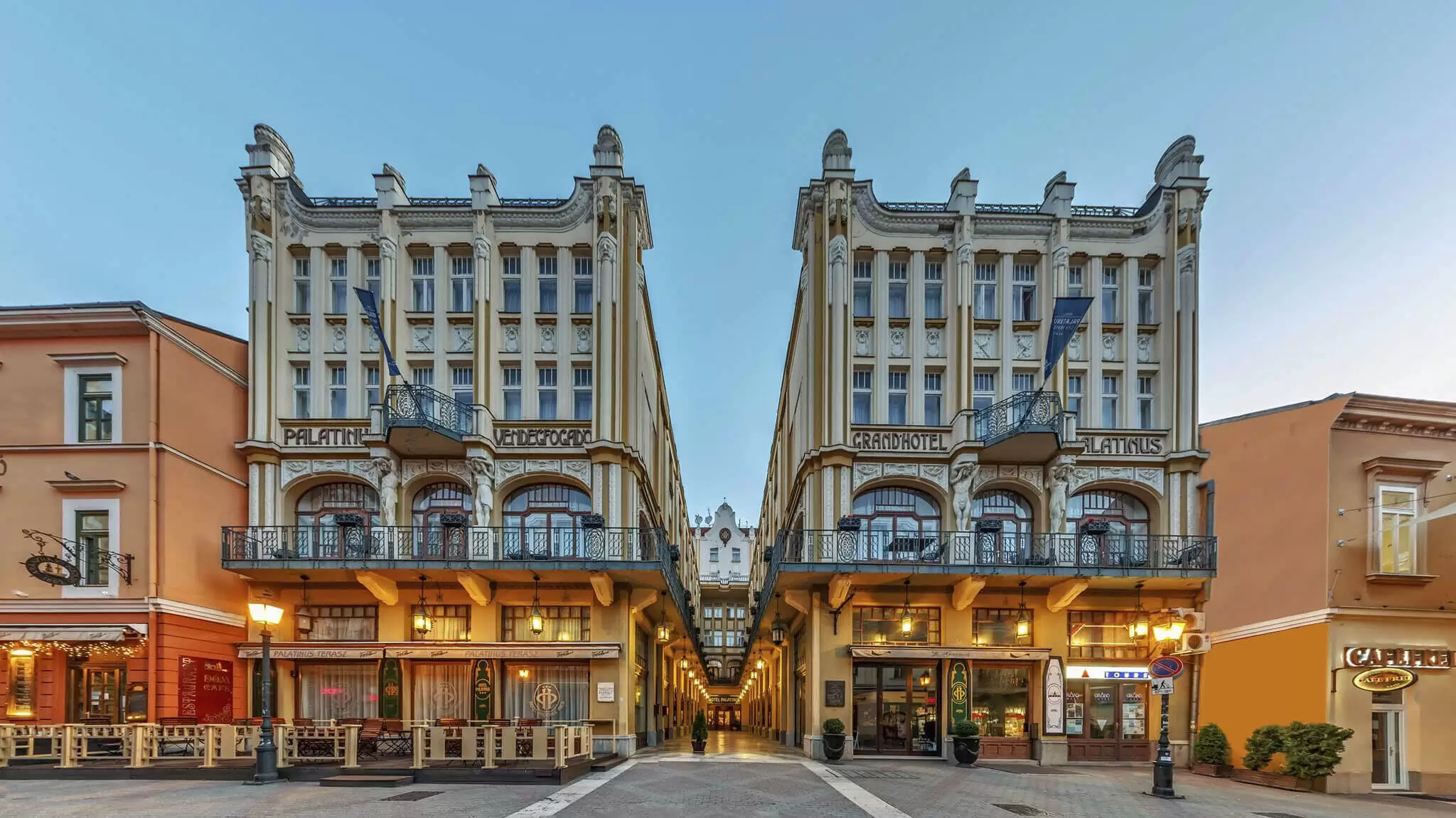
Palatinus Grand Hotel
https://palatinusgrandhotel.hu
A landmark hotel in the heart of Pécs, located on the lively Király Street just a few steps from Széchenyi Square. Combining historic architecture with an elegant atmosphere, the Palatinus is an excellent choice for participants looking for a distinctive and centrally located hotel.
The hotel offers guests a 15% discount on its current daily rates.
When making your reservation on the hotel’s website (www.palatinushotel.hu), please use the promotional code HUSSE2027 to receive the discount.
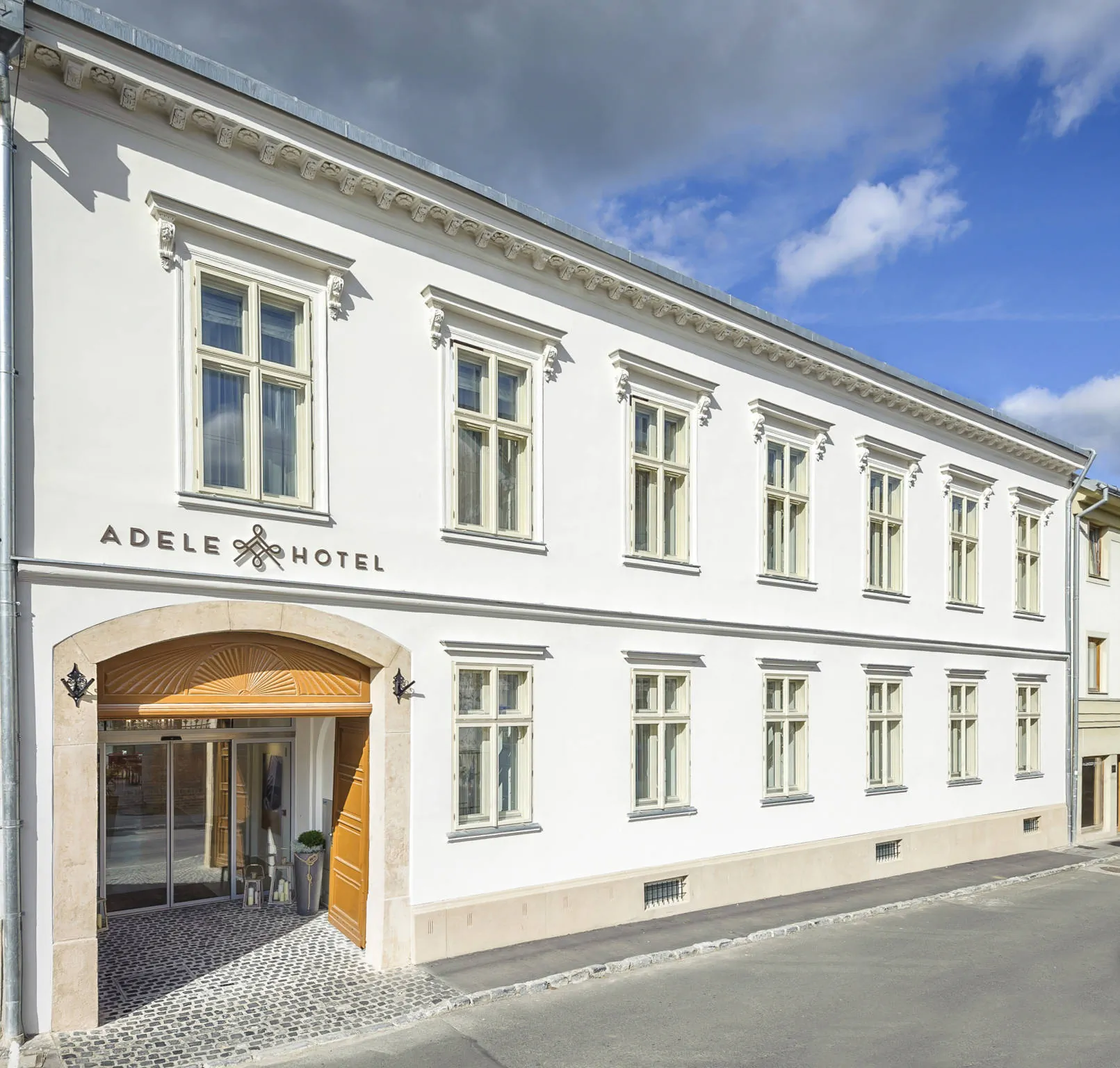
Adele Boutique Hotel
An elegant boutique hotel in a beautifully renovated historic building in the city centre. Its quiet atmosphere, stylish rooms and central location make it particularly suitable for guests looking for a smaller, high-quality hotel.
To redeem the following special HUSSE2027 rates, guests are kindly requested to provide the code HUSSE2027 upon making a reservation for identification purposes. Breakfast included.
| Room Type | Price / person / night | Price / 2 people / night |
|---|---|---|
| Smart / Superior (12) | 39,000 HUF / person / night | 42,000 HUF / 2 people / night |
| Suite / Apartment (4) | 49,000 HUF / person / night | 52,000 HUF / 2 people / night |
| Grand M12 (4) | 39,000 HUF / person / night | 42,000 HUF / 2 people / night |
| Apartment M12 (2) | 43,000 HUF / person / night | 46,000 HUF / 2 people / night |
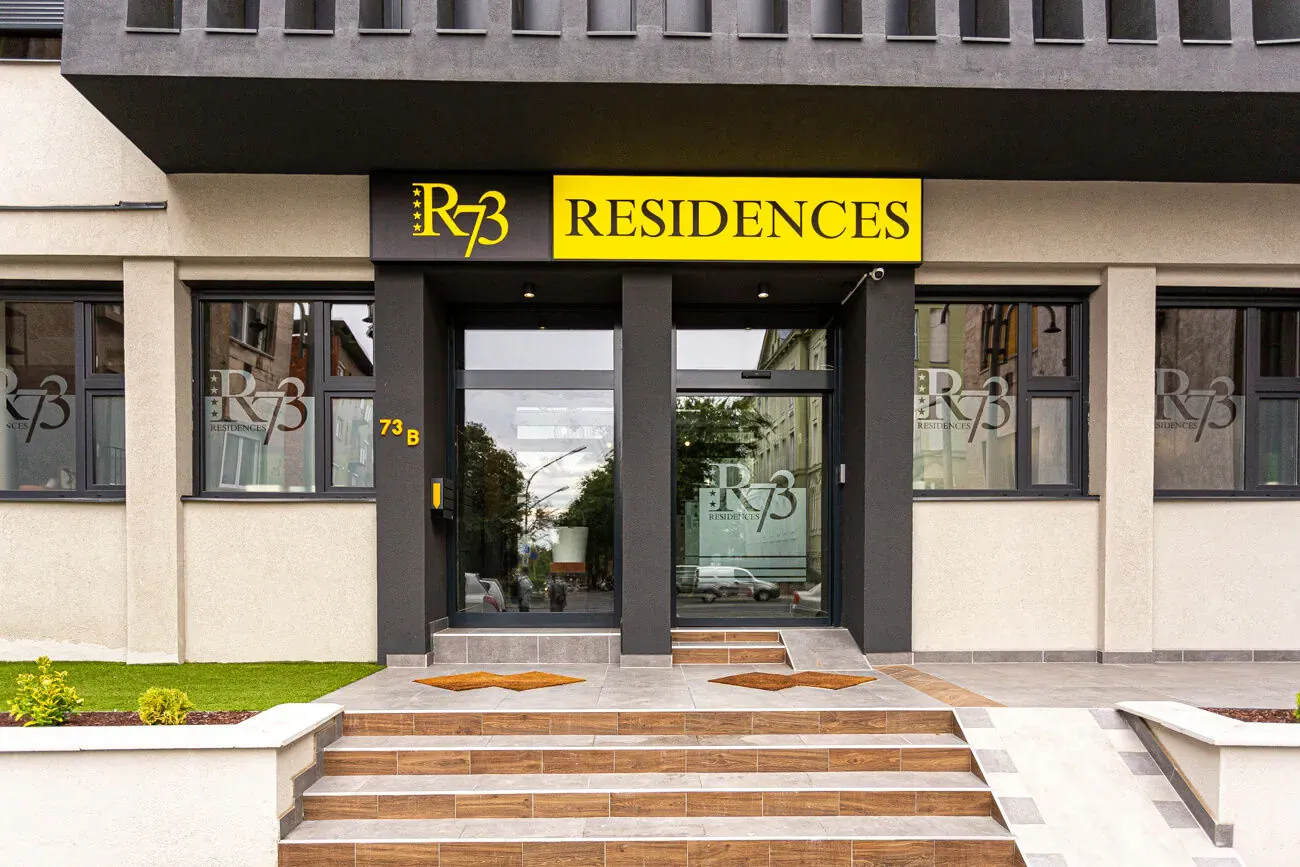
R73 Residences
A stylish 4-star aparthotel located near the historic downtown, offering modern, self-contained apartment suites equipped with kitchenettes, work desks, and high-speed Wi-Fi. With on-site fitness facilities, a lounge bar, and private parking, it provides high-end flexibility perfect for extended trips.
Conference participants are eligible for a 15% discount on standard room rates.
To redeem this offer, book directly with the hotel by email or phone and mention the promo code "HUSSE 2027" when making your reservation. Please note: This special rate is exclusively valid for direct bookings and cannot be applied to reservations made via third-party booking platforms.
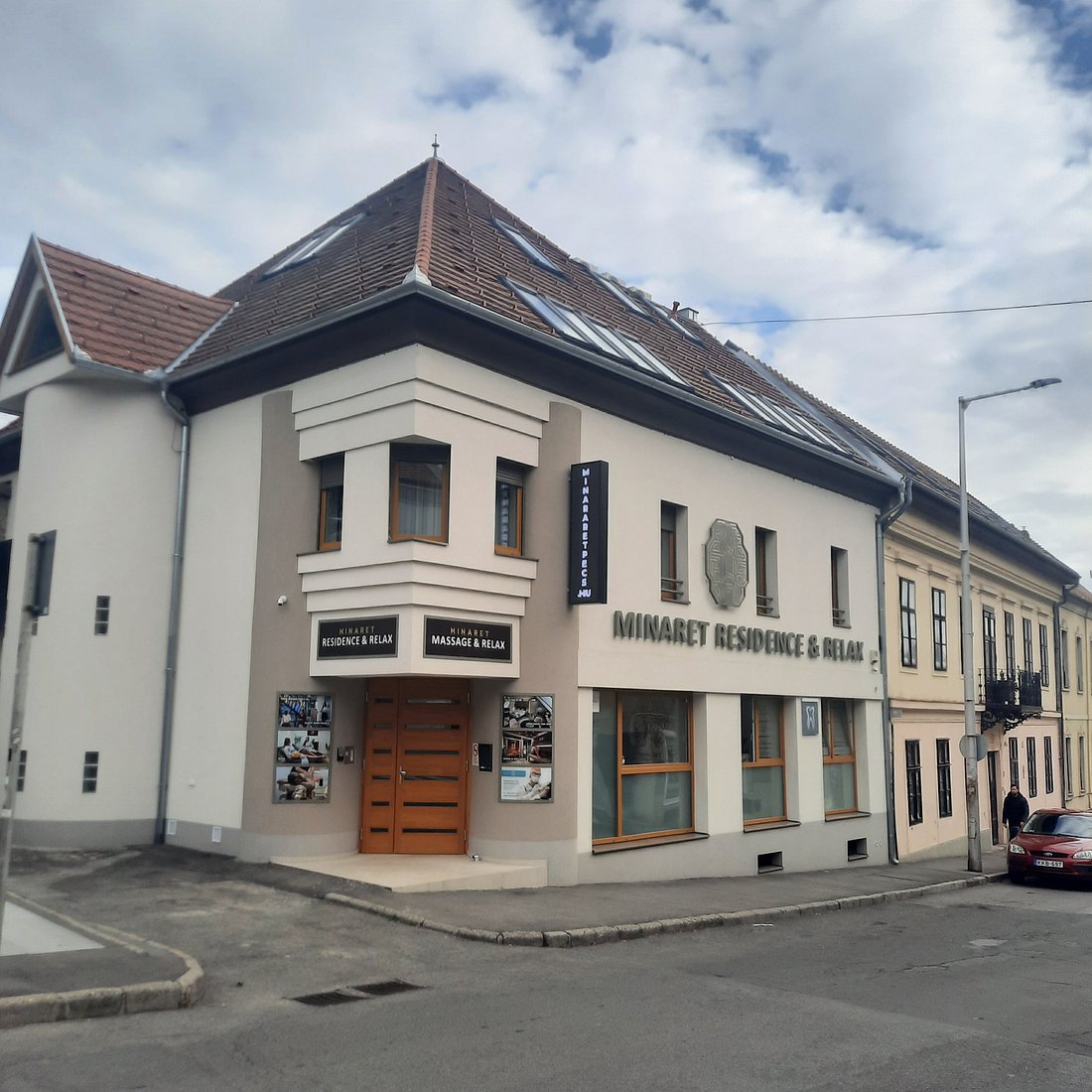
Minaret Residence & Relax
An upscale, boutique apartment-hotel offering beautifully appointed suites near the Barbakán and historic city core. Each modern unit includes a kitchenette, air conditioning, and a dedicated work area. Guests can unwind between sessions with dedicated wellness and relaxation facilities, making it ideal for anyone who values quiet rejuvenation after attending conference programmes.
To book your stay at a discounted rate, please click the link below:
https://ibe.sabeeapp.com/v3/p/Minaret-Residence-&-Relax-P%C3%A9cs?p=91b435d213d182a2&lang=Hu
15% discount coupon code: HUSSE. Please enter the coupon code when making your reservation. We also offer 30% off our private wellness and sauna services.
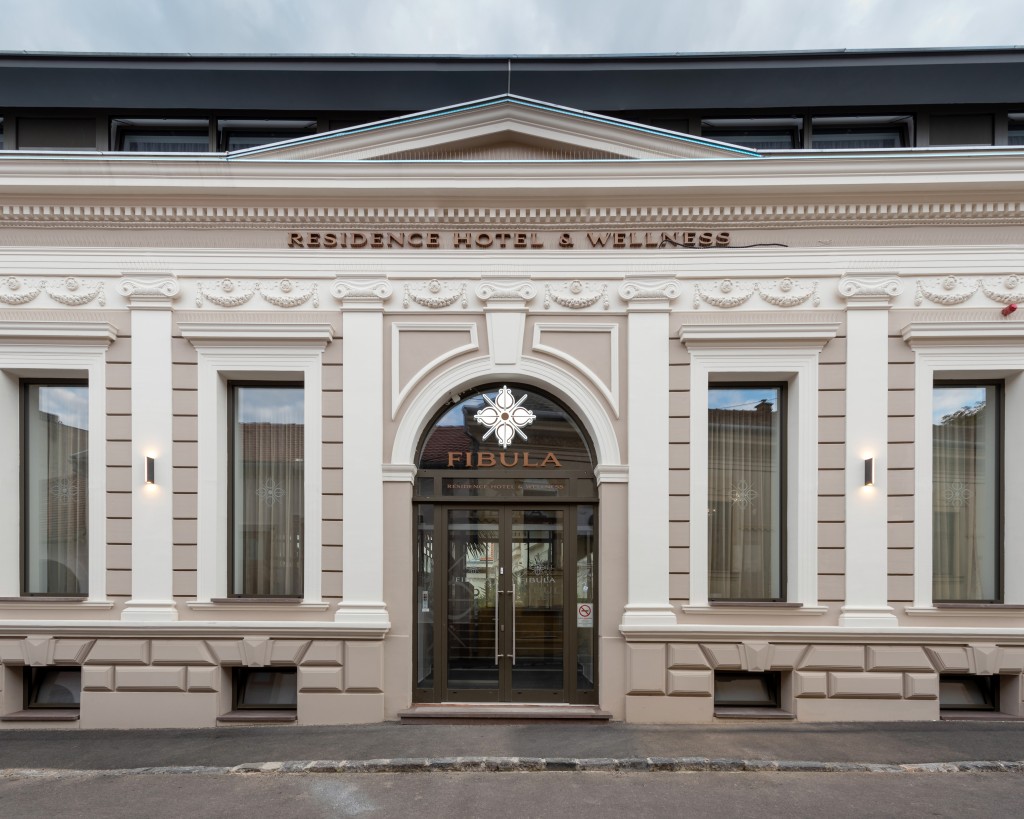
Fibula Residence Hotel & Wellness
A modern four-star hotel and residence in central Pécs offering spacious rooms and apartments as well as wellness facilities. A good option for participants who prefer contemporary accommodation and additional comfort.
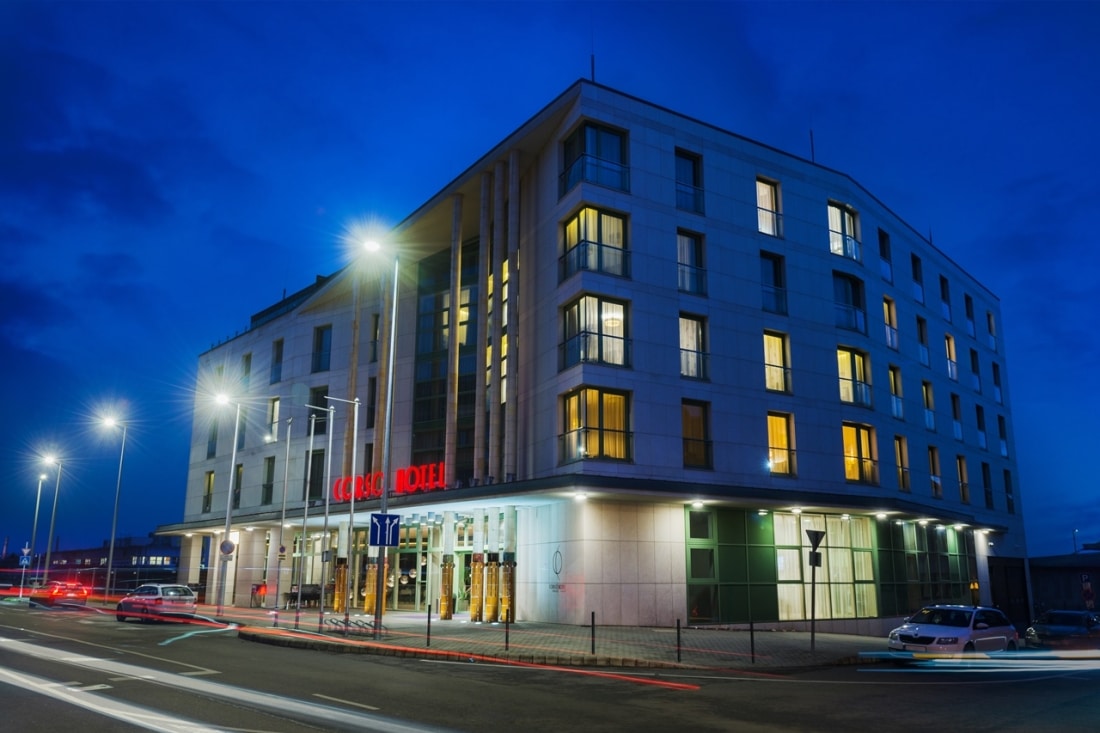
Corso Hotel Pécs
A modern, four-star boutique hotel situated close to the historic city center and the Zsolnay Cultural Quarter. It features individually styled, air-conditioned rooms, suites with private saunas, an on-site restaurant serving local gastronomy, and professional event facilities.
Use promo code HUSSE2027 when booking on the hotel website to access discounted conference rates:
•Superior (single occupancy): 40,500 HUF (110 EUR) / room / night
•Superior (double occupancy): 45,500 HUF (125 EUR) / room / night
•Deluxe (single occupancy): 43,500 HUF (119 EUR) / room / night
•Deluxe (double occupancy): 48,500 HUF (134 EUR) / room / night
Comfort and Mid-range
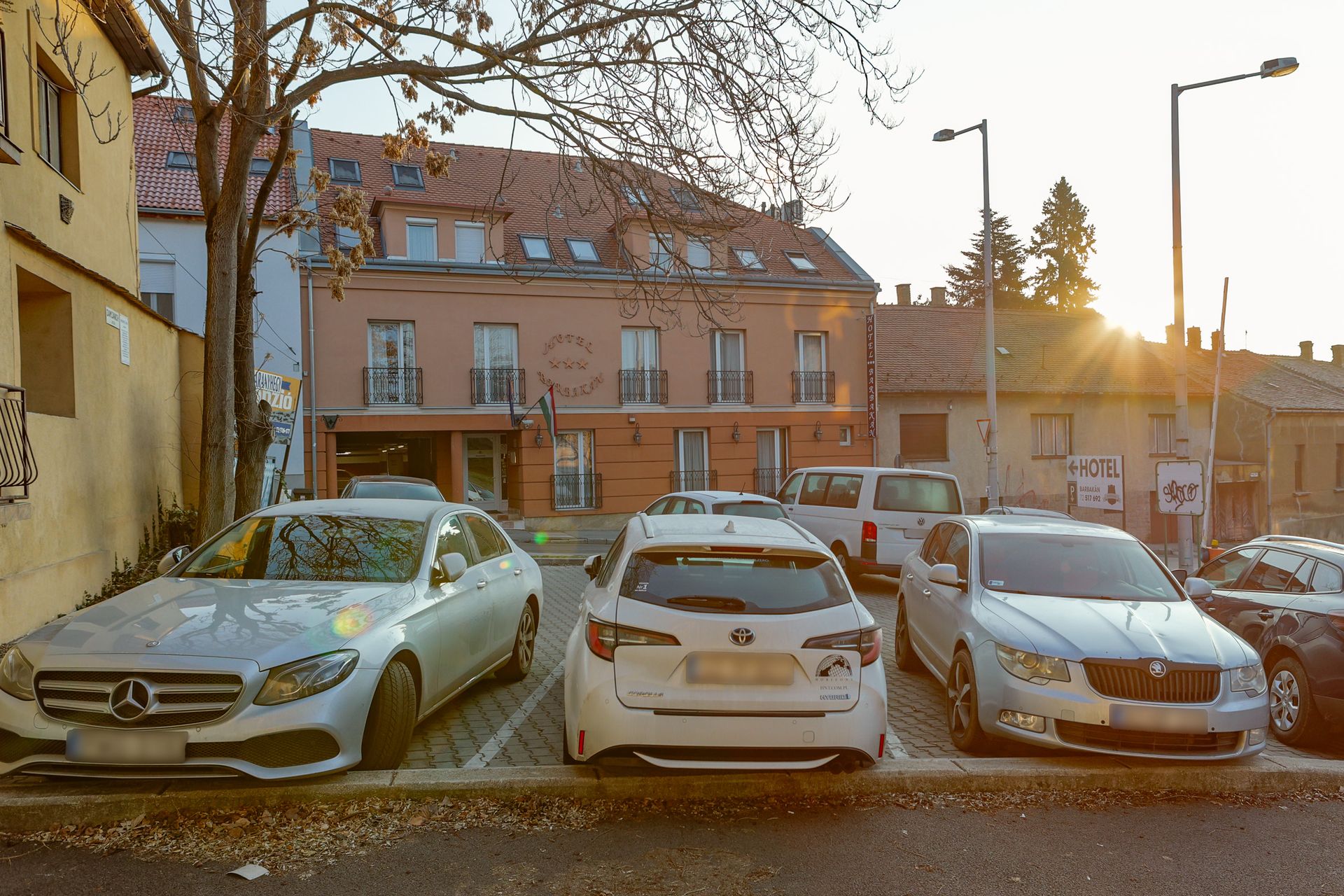
Hotel Barbakán
A friendly and conveniently located hotel close to both the historic city centre and the university area. The Barbakán is a well-established choice for guests of the University of Pécs and offers comfortable accommodation in a practical location.
Accommodation rates:
Single room (1 guest): HUF 21,900 / night
Double room (2 guests): HUF 26,900 / night
City tax: HUF 600 / person / night
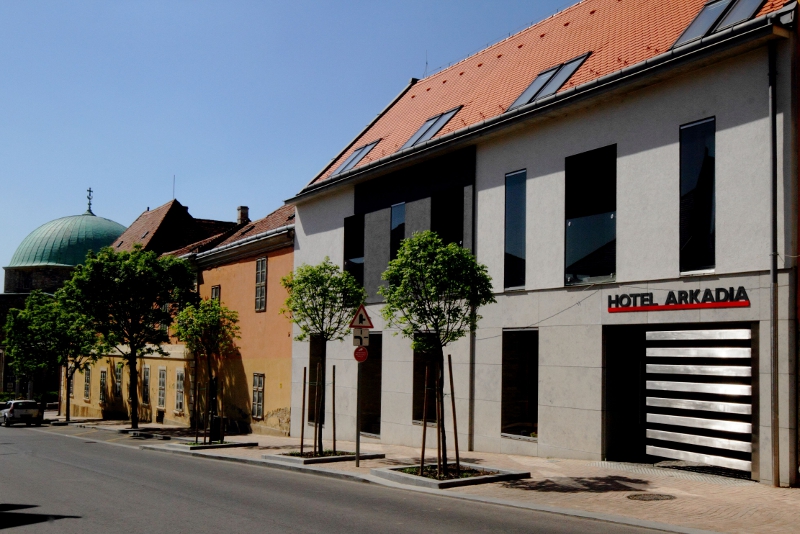
Hotel Arkadia
https://www.hotelarkadiapecs.hu/
A modern four-star hotel in the historic centre of Pécs, just a short walk from Széchenyi Square and many of the city’s main sights. It offers comfortable, practically furnished rooms, buffet breakfast and free Wi-Fi, making it a convenient and good-value option for conference participants.
Special HUSSE2027 accommodation rates available as follows:
For single occupancy: HUF 18,500 / room / night
For double occupancy: HUF 23,000 / room / night
City tax: HUF 600 / person / night
The price includes a buffet breakfast, broadband internet access, and VAT.
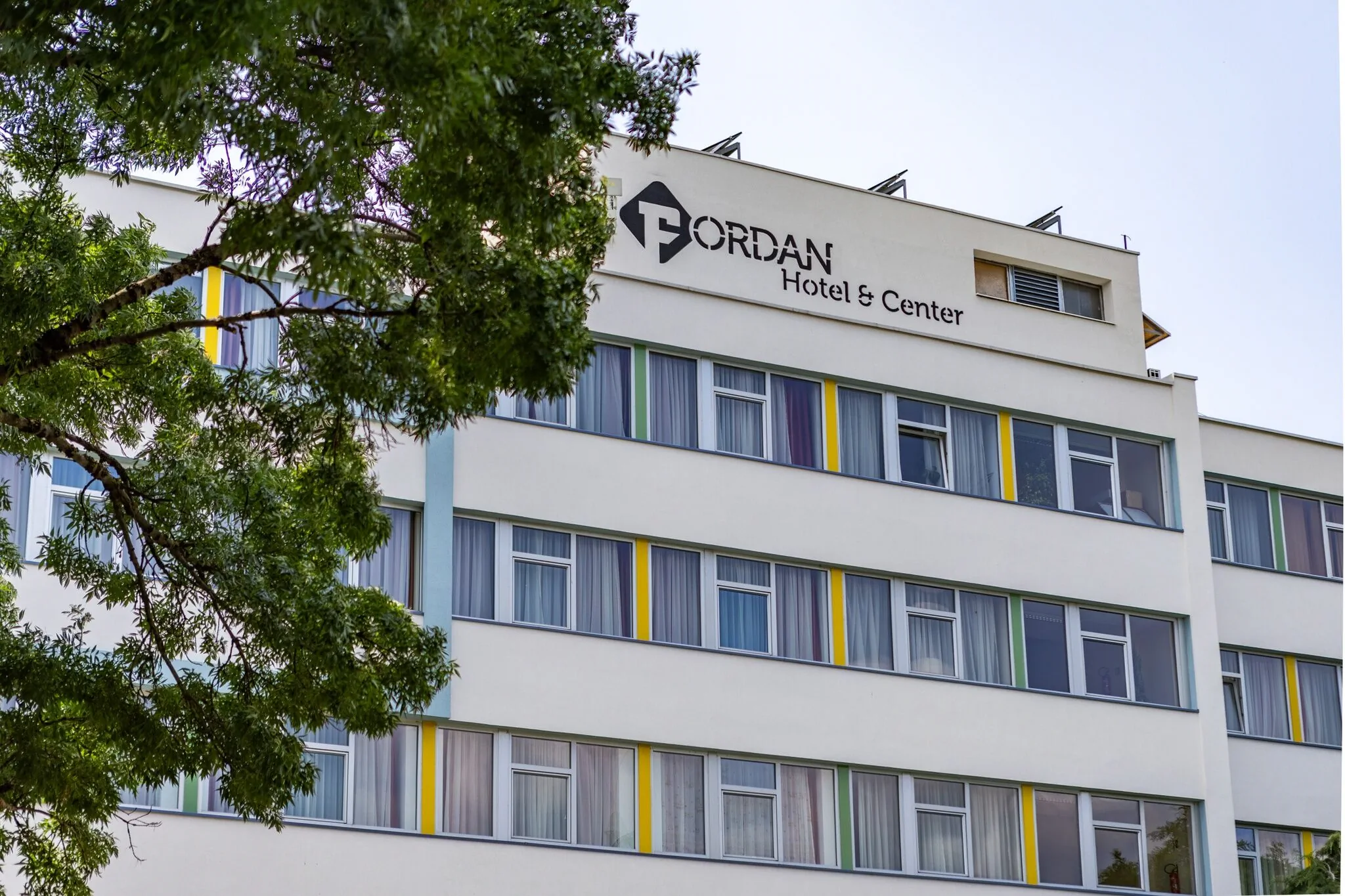
Fordan Hotel
A practical, full-service hotel situated right at the edge of the historic city center and transport links. It offers well-equipped standard and deluxe rooms, an on-site restaurant, a sauna area, and an adjoining billiard and leisure center. It is a convenient, well-connected base for conference guests looking for dependable central hospitality.
When booking directly through our website, a 15% discount can be redeemed by entering the following discount code in the comment field: HUSSE27. Naturally, the discount can also be applied to reservations made by phone or email by referencing the same code.
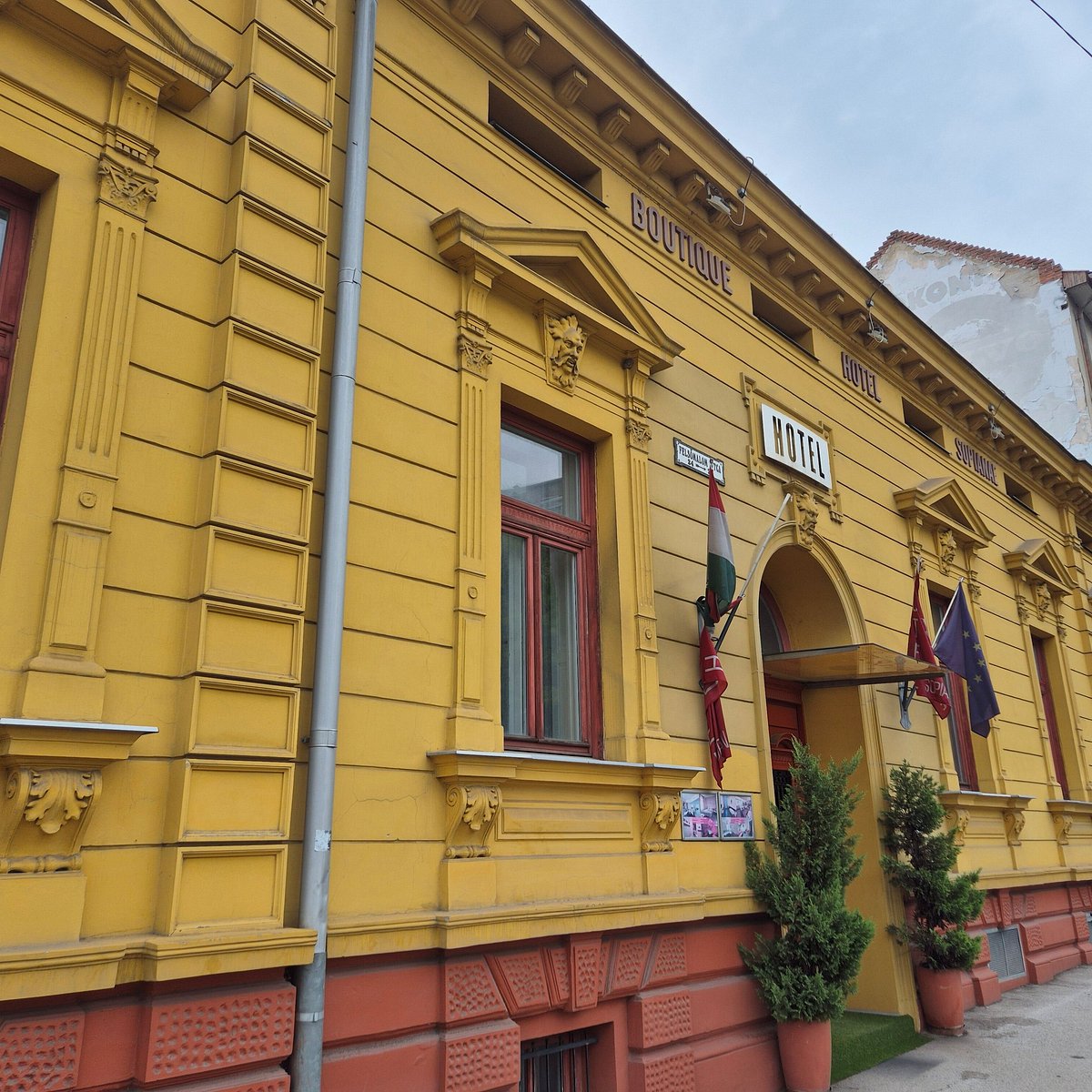
Boutique Hotel Sopianae
https://www.hotelsopianae.hu/en/
A small and welcoming hotel within walking distance of the central areas of Pécs. It offers a good combination of comfort, location and value for money and may appeal especially to participants looking for a quieter alternative to larger hotels.
Use promo code HUSSE when booking on the website, by phone, or via email to access discounted rates:
•Single room: 28,000 HUF / night
•Twin room: 32,000 HUF / night
•Suite: 45,000 HUF / night
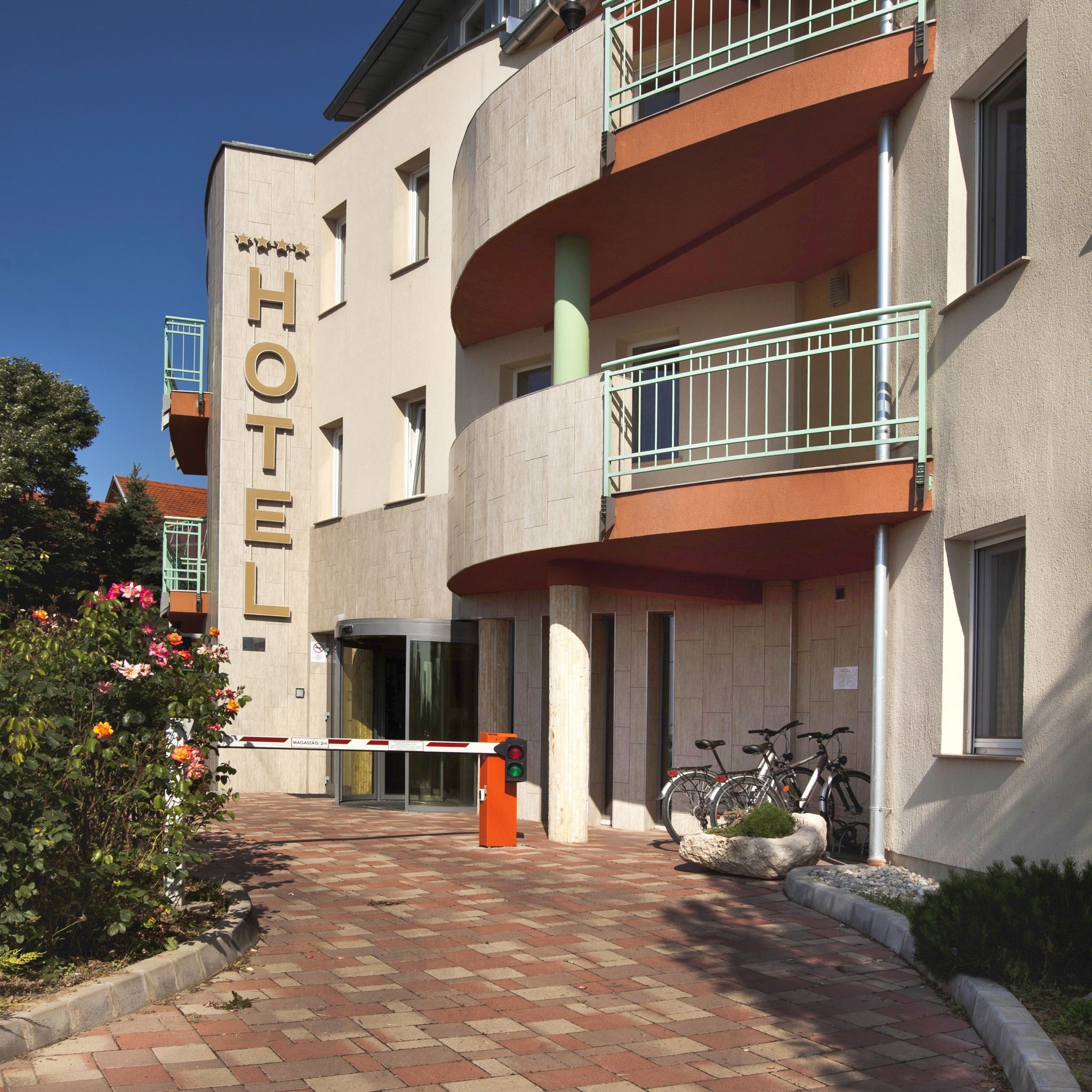
Hotel Makár
Located close to the University of Pécs and within convenient reach of the conference venue, Hotel Makár is a practical choice for conference participants. The hotel offers a range of room categories and facilities and is particularly convenient for those who prefer to stay closer to the university rather than in the historic centre.
Budget-friendly
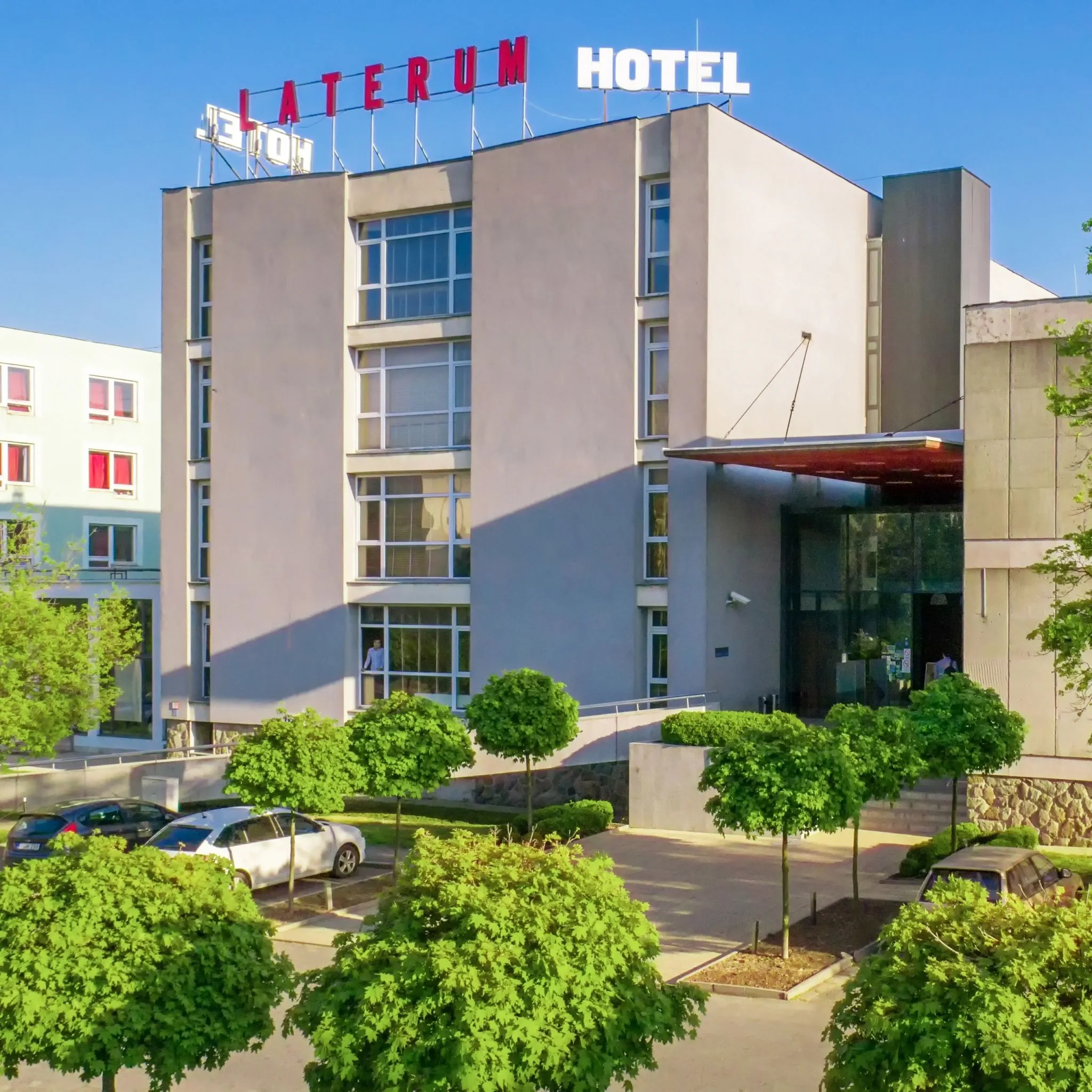
Hotel Laterum
A good-value hotel offering several accommodation categories and convenient public transport connections. It is a particularly suitable option for participants looking for more affordable accommodation while retaining the services of a full hotel.
Special HUSSE 2027 rates are available for 3-star rooms:
Single occupancy: HUF 20,000 / person / night
Double occupancy: HUF 30,000 / 2 persons / night
To receive the special conference rate, please book directly with the hotel by email at laterum@laterum.hu and quote the booking code HUSSE2027.
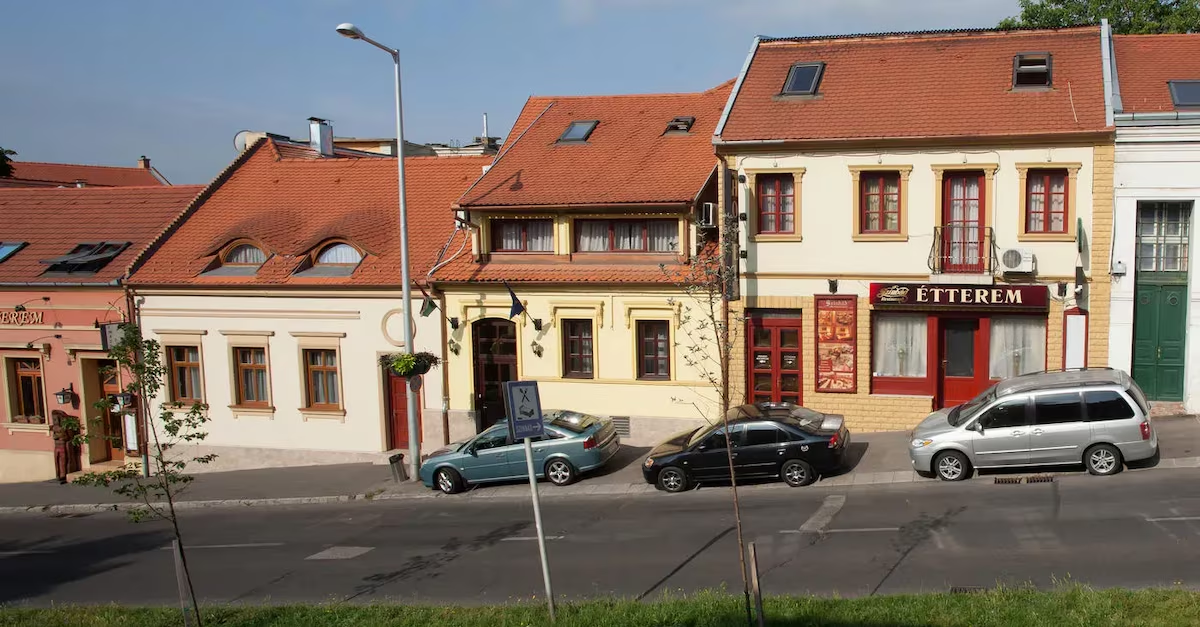
Szinbád Hotel
A smaller hotel in a convenient location between the university area and the historic centre. Its location and relatively simple accommodation make it a good option for doctoral students and other participants seeking a more budget-friendly stay.
Special HUSSE 2027 rates are available:
Single occupancy: HUF 21,900 / room / night
Double occupancy: HUF 26,900 / room / night
The room rate includes buffet breakfast, Wi-Fi and air conditioning.
Reservations are subject to availability and should be made directly with the hotel (szinbadhotel@gmail.com), quoting “HUSSE 2027” when booking. As availability may be limited, participants are kindly advised to book well in advance.
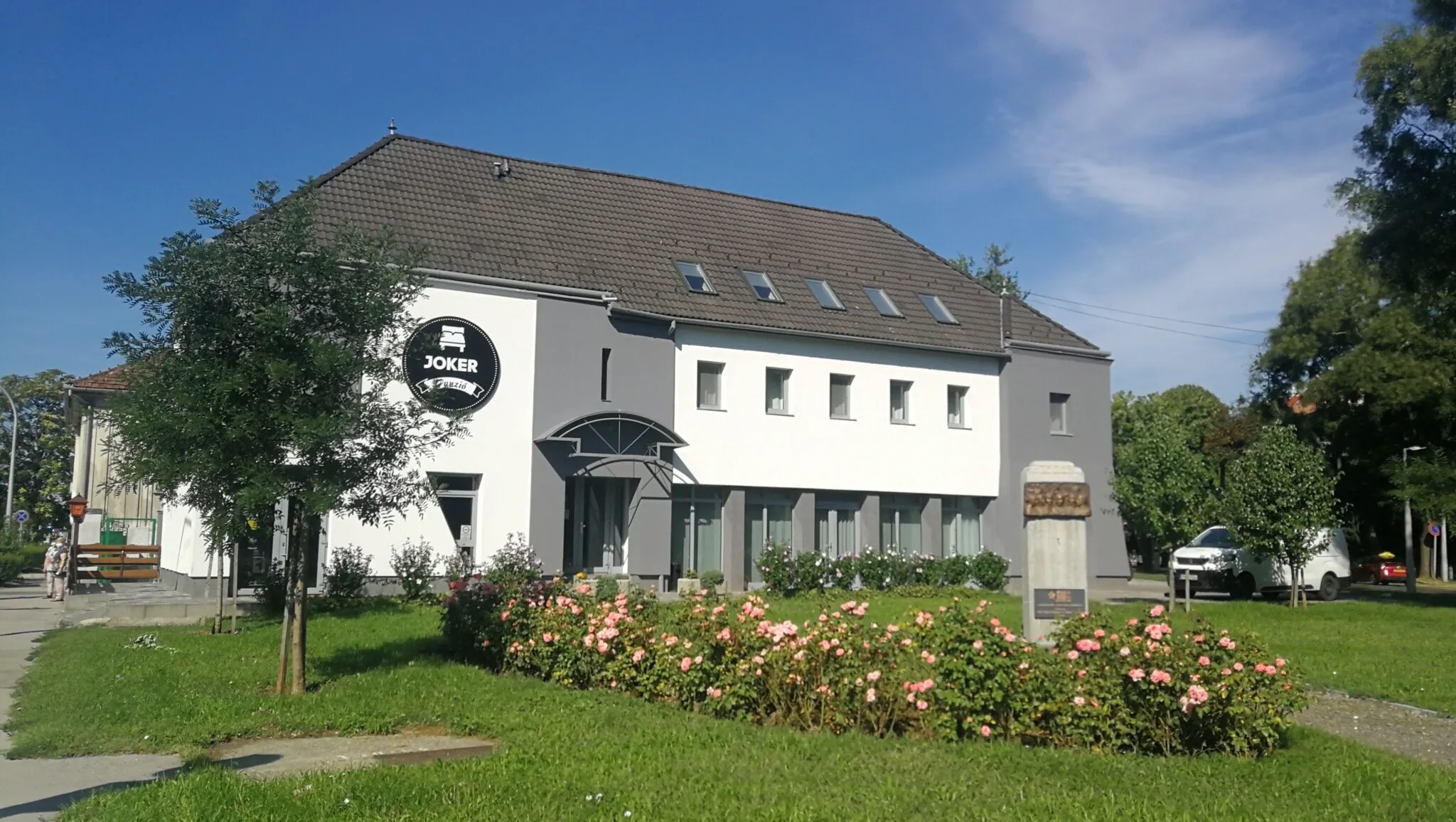
Joker Panzió
A small, recently renovated guesthouse located close to Pécs railway station and within easy reach of the city centre. Offering a range of room types, free Wi-Fi and a convenient location, it is a practical and budget-friendly choice for doctoral students and other conference participants looking for simple, comfortable accommodation.
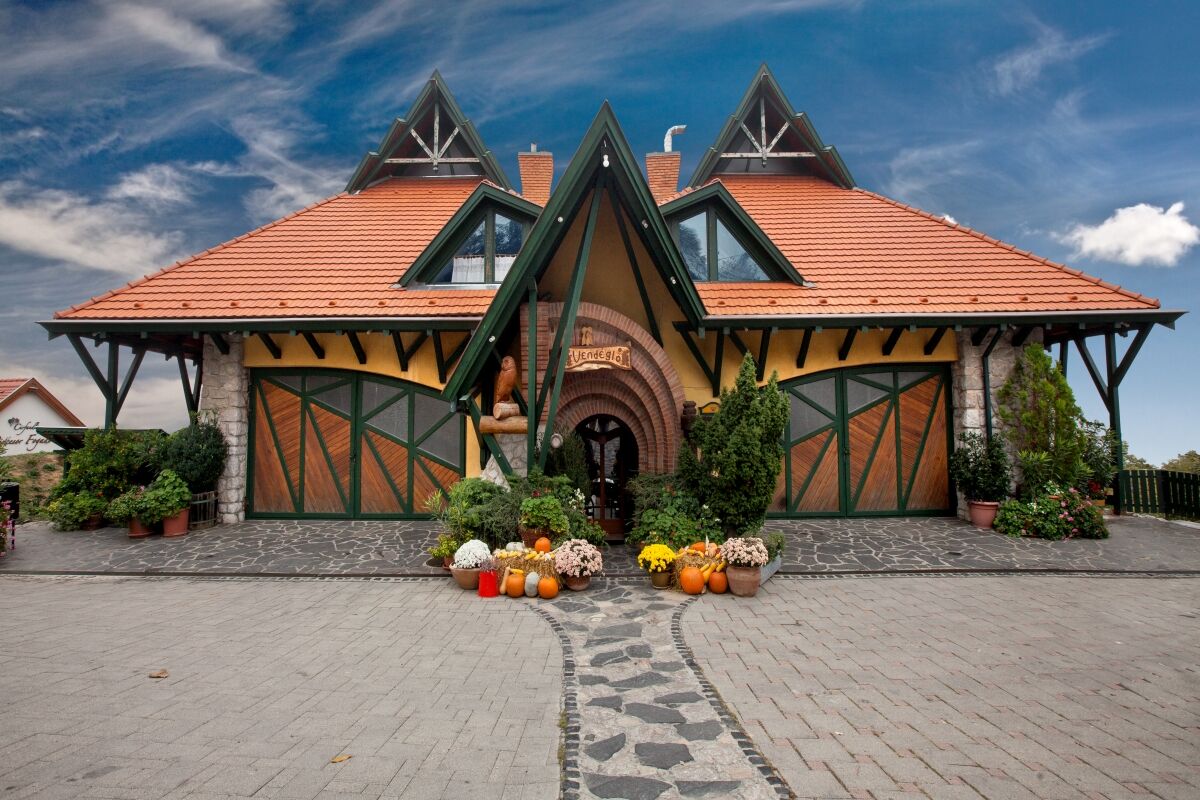
Bagolyvár Panzió
A charming, family-run guesthouse set among the rolling vineyards of the Pécs hills. It offers cozy, rustic Hungarian-style rooms, complimentary buffet breakfast, an authentic traditional restaurant, and panoramic city views. It serves as an affordable, character-filled option for attendees traveling with personal vehicles or looking for warm local charm.
Contact
We will continue to update the conference page, please check back for updates.
For all enquiries, please e-mail us at: husse2027@pte.hu
We look forward to seeing you in Pécs between 28th and 30th January 2027.
On behalf of the HUSSE Board Members and the Organising Team,
The Organising Team:
László Sári B., Judit Dombi, Tamás Fekete, Gabriella Hartvig, Csaba Maczelka, János Nagy, Kitti Somogyi, and Zita Balogh