
Populáris Geopolitika és Média Kutatócsoport
A kutatóközpont neve angolul
Popular Geopolitics and Media Research Group
The purpose of the research center
Established in 2026, the Popular Geopolitics and Media Research Group fills a gap in Hungarian social science. Until now, little attention has been paid in Hungary to the role popular culture (films, series, music, memes and other media content) plays in shaping geopolitical thinking and public perceptions of international relations. International research increasingly recognises that geopolitical imaginaries appear not only in policy analyses and official discourse but are also reproduced as part of everyday cultural consumption. With this approach, the research group aims to contribute to the methodological and thematic renewal of various disciplines (communication and media studies, political science, international relations, geography, etc.), and offers a new perspective for interpreting geopolitical issues on a critical, cultural and media studies basis. In doing so, we also wish to encourage the student and research community to approach contemporary political phenomena in an interdisciplinary way.
The aim of the Popular Geopolitics and Media Research Group is to establish and run an internationally recognised research centre at the Faculty of Humanities and Social Sciences, University of Pécs, within the Department of Communication and Media Studies of the Institute of Social and Media Studies. The centre will take an interdisciplinary approach to examining how geopolitical imaginaries and narratives appear in popular culture, as well as their social, political and identity-shaping effects, primarily in Hungary and the surrounding region.
The research covers the following topics:
- Geopolitical narratives in films and series (representations of nations, the construction of enemy images, war discourses in Hollywood and the international film industry);
- Memes and social media in geopolitical discourse (the role of visuality in interpreting international events);
- The geopolitics of sporting events (national identity, soft power, e.g. the Olympics and world championships);
- The geopolitics of music (global conflicts, migration and cultural resistance);
- The geopolitics of maps (map representations in popular media and their impact on spatial and political orientation);
- Popular geopolitical analysis of global crises and international conflicts;
- Political propaganda in the 21st century (the role of influencers, social media and visual culture);
- Popular geopolitics and identity politics in Central and Eastern Europe (regional characteristics, national narratives, self-images);
- Geopolitical analysis of the symbolic use of space, sites of memory and national identity;
- The geopolitics of comics (superheroes, geographical and cultural boundaries, war narratives, enemy images);
- The geopolitics of fashion (identity, national belonging, cultural representation);
- The geopolitics of gastronomy.
Head of Research Center

University or personal website of the head of the research center, MTMT website, doktori.hu website
https://m2.mtmt.hu/api/author/10054042
Members of the research center
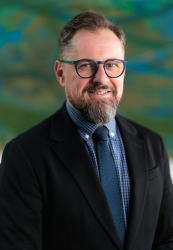
Prof. dr. Tarrósy István
egyetemi tanár, PTE BTK, Politikatudományi és Nemzetközi Tanulmányok Tanszék, Afrika Kutatóközpont – vezető, International Politics Programme-vezető,
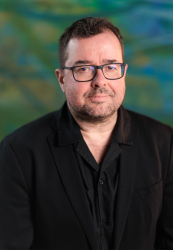
Dr. habil. Maksa Gyula
egyetemi docens, PTE BTK, Kommunikáció- és Médiatudományi Tanszék, Képregénytudományi Kutatóközpont – vezető,
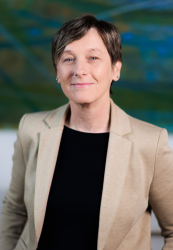
Dr. habil. Glózer Rita
egyetemi docens, PTE BTK, Kommunikáció- és Médiatudományi Tanszék, tanszékvezető,
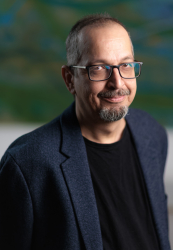
Dr. Mester Tibor
adjunktus, PTE BTK, Kommunikáció- és Médiatudományi Tanszék
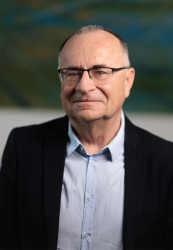
Prof. dr. Szijártó Zsolt
egyetemi tanár, PTE BTK, Kommunikáció- és Médiatudományi Tanszék, Nyelv és Kommunikáció Doktori Program doktori programvezető
Dr. Egri Petra
adjunktus, PTE KPVK, Kultúratudományi, Pedagógusképző és Vidékfejlesztési Kar, Alkalmazott Művészetek Tanszék, tanszékvezető
Prof. dr. Pap Norbert DSc.
egyetemi tanár, az MTA doktora, PTE TTK, Földrajzi és Földtudományi Intézet Politikai Földrajzi, Fejlődési és Regionális Tanulmányok Tanszéke, a PTE Szentágothai János Kutatóközpont kutatóprofesszora,
Dr. habil. Péter Reményi
egyetemi docens, tanszékvezető, PTE TTK, Földrajzi és Földtudományi Intézet Politikai Földrajzi, Fejlődési és Regionális Tanulmányok Tanszéke,

Dr. habil. Lénárt András
egyetemi docens, Szegedi Tudományegyetem Hispanisztika Tanszék
Doctoral students participating in the research
Fülöp Botond Máté
PhD-hallgató, PTE TTK, Földrajzi és Földtudományi Intézet,
Politikai Földrajzi, Fejlődési és Regionális Tanulmányok Tanszéke
kutatási téma: sport geopolitikája – futball és identitás Spanyolországban
botondmatef@gmail.com
Moró Dávid Róbert
PhD-hallgató, PTE TTK, Földrajzi és Földtudományi Intézet, Politikai Földrajzi, Fejlődési és Regionális Tanulmányok Tanszéke
kutatási téma: magyar identitás a Vajdaságban,
External relations of the research center
-
Universidade Portucalense, Porto
-
University Constantine The Philosopher University in Nitra, Slovakia
-
University College "Bedër", Tirana, Albania
-
University of Tuzla, Bosnia and Herzegovina
-
St. Kliment Ohridski Sofia University, Bulgaria
-
Charles University, Prague, Czeh Republik
-
Tomas Bata University in Zlín, Czeh Republik
-
University of Zagreb, Croatia
-
Ss. Cyril und Methodius University in Skopje, North-Macedonia
-
University of Warsaw, Poland
-
University of Information Technology and Management in Rzeszow, Poland
-
WSB University, Dabrow Górnicza, Poland
-
University of Bucharest, Romania
-
Haaga-Helia University, Helsinki
-
University of Zagreb, Croatia
-
Babes-Bolyai University, Clu-Napoca, Romania
-
Artesis Plantijn University College of Antwerp, Netherlands
-
Georgian Institute of Public Affairs (GIPA), Tbilisi, Georgia
-
Christelijke Hogeschool Ede (CHE), Ede, Netherlands
-
AP Antwerp University College, Netherlands
-
University of Tokio
-
Waseda University
-
Keio University
-
University of Nagoya City
-
Dublin City University
-
Istanbul University
-
Hacetepe University
-
Ca’Foscari University (Venice)
-
Holy Spirit University-Kaslik (Beirut)
-
University of Cagliari
-
University of Sarajevo
-
Association of Borderland Studies
-
University of Lodz
-
AGH University of Krakow
-
University of Zagreb
Contact
+36 72 503 600/ 64127 or 64126
Pécsi Tudományegyetem | Kancellária | Informatikai és Innovációs Igazgatóság | Portál csoport - 2020.