
Archaeological Methodology Research Group
A kutatóközpont neve angolul
Régészetmódszertani Kutatócsoport
The purpose of the research center
The research group hosts the Archaeodogs research programme, which is unique in Europe. Under the scientific coordination of Krisztina Hudák, assistant professor, and in cooperation with the National Institute of Archaeology of the Hungarian National Museum Public Collection Centre and professional dog trainers, the programme trains dogs to detect illegally smuggled archaeological finds by scent. Based on the trials so far, the training has been successful. The programme thus supports the work of customs officers of the National Tax and Customs Administration (NAV) and helps curb the illegal trade in cultural property.
Beyond the research profile of the Specialist Postgraduate Programme in Forensic Archaeology, run with the participation of rector candidate Adrián Fábián, the project can be regarded as a de facto matter of national interest. To ensure closer compliance with current museum legislation, collection management of the Pécs Aerial Archaeology Archive (PLT) is carried out by Attila Mrenka, assistant professor, as a researcher of the Research Group for Archaeological Methodology. Since 2018, the PLT has operated within the Institute of History of the Faculty of Humanities and Social Sciences, University of Pécs (PTE BTK TTI), as a non-independent unit of the Department of Archaeology supporting teaching and research.
Over the past three years, Levente Nagy completed an inventory review of the 50,423 aerial photographs in the PLT aerial photo collection. Between 2023 and 2024, the National Institute of Archaeology (NRI) digitised 4,090 aerial photographs that had previously existed only as slides, making them available for aerial archaeological research. After obtaining his drone pilot qualification, Attila Mrenka carried out successful topographic surveys and excavations together with the NRI and identified new sites. Ferenc Fazekas, a member of the research group and Director of the Paks Town Museum, involved the research group in his project carrying out new, systematic research on the archaeological topography of the town of Paks. In addition, the research group actively takes part in organising and conducting the Department of Archaeology's field surveys and excavations, with the active involvement of the group's departmental teaching staff. These tasks often go beyond the teaching and research duties specified in the job descriptions of archaeology lecturers. The theoretical and practical principles of archaeological methodology applied by the research group are incorporated into BA, MA and doctoral (IDI) training.
The publications and conference presentations of the research group's members in recent years can be found in the Hungarian Scientific Bibliography (MTMT). In view of its active and successful work, I recommend that the Faculty leadership keep the Research Group for Archaeological Methodology on the Faculty's register of research groups.
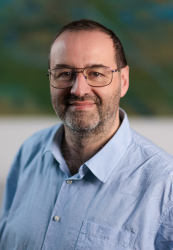
Head of Research Center
Members of the research center
- Dr. habil. Levente Nagy
- Dr. Ferenc Fazekas
- Dr. Krisztina Hudák
- Dr. Antal Szabó
- Dr. Attila Mrenka
- Erika Hancz
- Réka Horváth-Zalavári
- László Strasszer (IDI)
- Roland Németh (IDI)
- Márk Haramza (JPM)
- Asztrik Hüse (IDI)
- Bálint Varga (IDI)
- Blanka Böröczki (Budapest Metropolitan Government Office)
- Lujza Varga (Office of the Director General, MNM)
- Erika Tuza (dog trainer)

Contact
+36 72 503 600/ 64127 or 64126
Pécsi Tudományegyetem | Kancellária | Informatikai és Innovációs Igazgatóság | Portál csoport - 2020.